

Your potential customers are searching, scrolling, comparing, and buying online. If your brand isn’t showing up in the right places at the right time, you’re missing opportunities.
That’s where digital marketing comes in.
It’s not just about being seen; it’s about being strategic, relevant, and one step ahead in an increasingly competitive landscape.
Defining digital marketing
Digital marketing is how today’s businesses get found, get chosen, and get results—online.
From SEO to email campaigns, it’s all about reaching the right people with the right message at the right time.
Instead of hoping customers walk through your door, digital marketing brings them to you.
Core responsibilities of digital marketers
Digital marketers have one primary goal: to help your business grow by getting the right people to notice, trust, and choose your brand.
They do this by building visibility online, generating leads, and turning clicks into conversions.
Their work spans strategy and execution—creating compelling content, managing ad campaigns, optimizing websites for search, analyzing performance, and constantly adjusting to get better results.
They are your behind-the-scenes growth engine, allowing every digital touchpoint to align with your business goals.
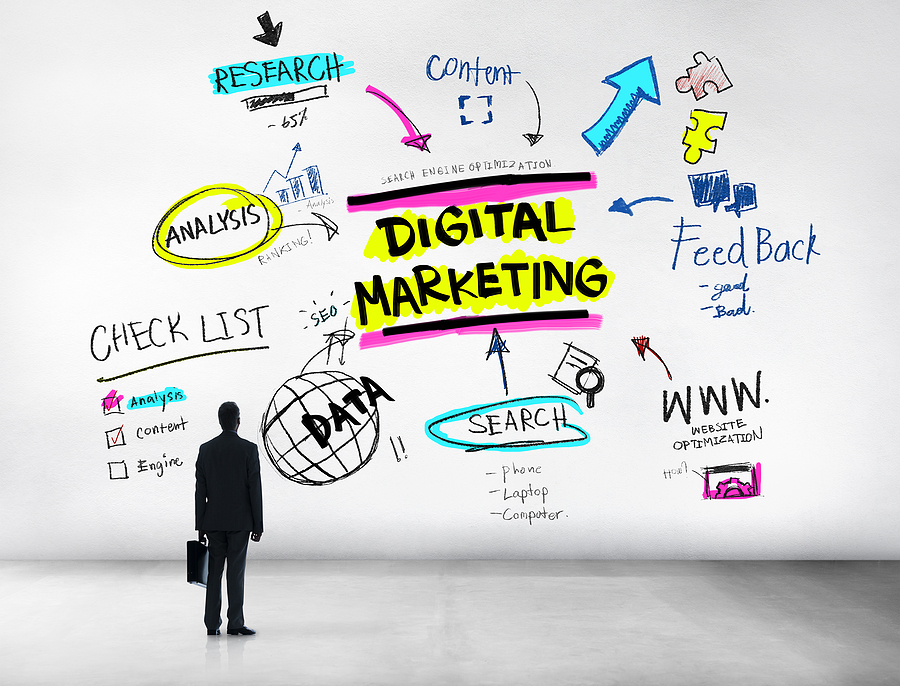
Key areas of digital marketing
Digital marketing is a broad field, but each component is critical in helping your business grow online.
Here are the key areas digital marketers focus on.
search engine optimization (SEO)
SEO is about helping your business show up where it matters: in Google search results. A well-optimized site brings in high-quality, organic traffic, meaning more potential customers find you without paid ads.
SEO includes:
- Keyword research to align with what your audience is searching for
- On-page optimization to improve content structure and relevance
- Linking building to boost authority and search visibility
content marketing
Valuable content builds trust, nurtures relationships, and positions your brand as an expert.
Digital marketers create and distribute content that informs, entertains, or solves a problem—all while guiding users toward a purchase.
common formats include:
- Blog posts
- Videos
- Infographics
- Podcasts
social media marketing
Social platforms are where conversations happen and where brands come to life.
Digital marketers use Facebook, Instagram, and LinkedIn to increase visibility, spark engagement, and drive traffic through organic posts and paid ads.
The goal? To build community and keep your brand top of mind.
email marketing
Email remains one of the most effective ways to nurture leads and retain customers.
Digital marketers use personalized, targeted messages to share offers, news, and helpful content that keeps people engaged and encourages action.
pay-per-click (PPC) advertising
Want faster results? PPC helps your brand get immediate visibility on platforms like Google Ads and social media.
Digital marketers manage ad budgets, create high-converting campaigns, and continuously optimize performance to ensure every dollar spent delivers results.
affiliate marketing
Digital marketers also partner with influencers, bloggers, and affiliate networks.
These partners promote your products or services and earn a commission on any sales or leads they generate, extending your reach through trusted third parties.
marketing analytics
What’s working? What’s not? Digital marketers constantly analyze data to find answers.
They track key metrics from website traffic to campaign performance to refine strategy, improve ROI, and make smarter decisions that drive growth.

Skills and tools utilized by digital marketers
Digital marketers are equal parts strategist, storyteller, and data analyst. Their job requires a unique blend of creative thinking and analytical precision, all backed by the right tools.
Key skills of a successful digital marketer
- Analytical Thinking: Understanding data, spotting trends, and making informed decisions that improve campaign performance.
- Creativity: Crafting compelling content and visuals that resonate with your audience and reflect your brand voice.
- Adaptability: Navigating shifting algorithms, new platforms, and evolving consumer behavior with flexibility and speed.
- Communication: Translating business goals into actionable marketing strategies and collaborating with internal teams and clients.
- Tech Savviness: Staying current with platforms, tools, and automation to streamline and scale campaigns effectively.
Popular tools in a digital marketer’s toolkit:
- Campaign Management: HubSpot, Mailchimp, Buffer, Hootsuite
- SEO & Content: SEMrush, Ahrefs, Yoast
- Analytics & Tracking: Google Analytics, Google Tag Manager, CrazyEgg
- Advertising Platforms: Google Ads, Meta Ads Manager, LinkedIn Ads
- CRM & Automation: Salesforce, ActiveCampaign, Klaviyo
These tools help digital marketers precisely plan, execute, and measure campaigns, so nothing is left to guesswork. When used effectively, they turn insights into action and strategies into results.
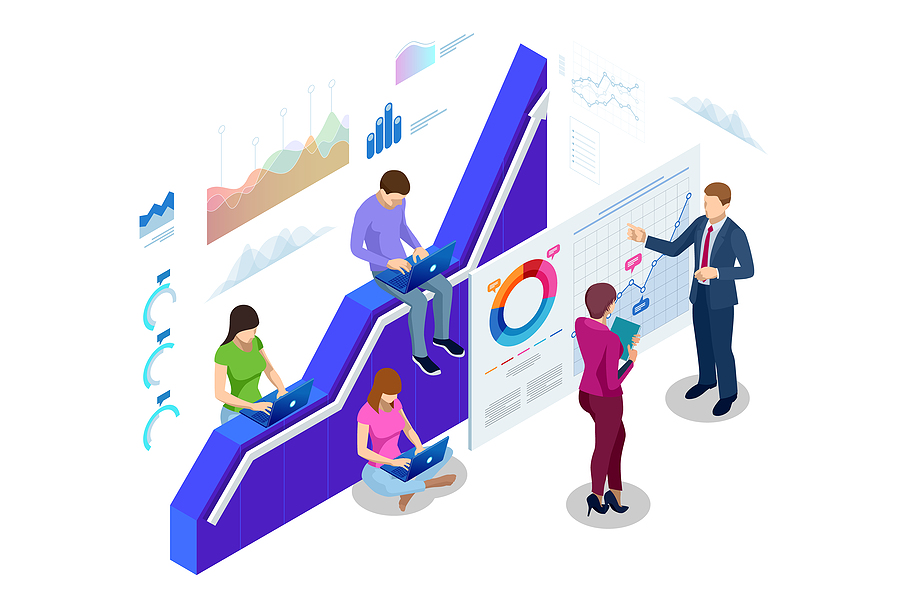
The impact of digital marketing on business growth
When done right, digital marketing doesn’t just boost clicks—it drives real business growth.
Digital marketing increases your brand’s visibility online, putting you in front of the people already searching for what you offer.
Whether it’s showing up on the first page of Google, appearing in a targeted social ad, or landing in someone’s inbox at just the right time, every touchpoint is an opportunity to convert interest into action.
Here’s how strategic digital marketers contribute to growth:
- More Traffic: SEO and PPC drive qualified visitors to your website.
- More Leads: Optimized landing pages, forms, and content offers help convert visitors into prospects.
- More Sales: Nurturing campaigns and retargeting ads guide users toward purchasing.
- Stronger Brand Awareness: Consistent messaging across platforms builds recognition and trust over time.
example outcomes:
- A local service business increased leads by 60% in six months through targeted Google Ads and landing page optimization.
- An e-commerce brand saw a 3x return on ad spend using Facebook remarketing and email automation.
- Through SEO and content strategy, a B2B company boosted organic traffic by 120% in under a year.
Digital marketing creates momentum. It’s not just about visibility—it’s about building relationships, increasing conversions, and fueling long-term success.
Turning strategy into growth
Digital marketers are vital in helping businesses grow in today’s online-first world. From strategy to execution, they combine content, data, platforms, and creativity to build visibility, drive engagement, and convert leads into loyal customers.
Whether you’re looking to generate more leads, improve your online presence, or get a clearer picture of what’s working, digital marketing gives you the tools and tactics to make it happen.
At top of mind design, we specialize in helping businesses like yours build smart, sustainable digital strategies that deliver results. Ready to see how digital marketing can move your business forward?
Book your free initial consultation today, and let’s discuss what’s possible.
Recent Comments